
People often ask: “Which keys are illegal to copy?” Short answer: most ordinary house keys aren’t illegal to duplicate, but some keys are protected — either by patent, restricted key systems, or contractual rules — and copying them without permission can be unlawful or against the owner’s rules. Below is a clear breakdown of what to watch for and what to do.
Common misconception: “Do Not Duplicate” stamps
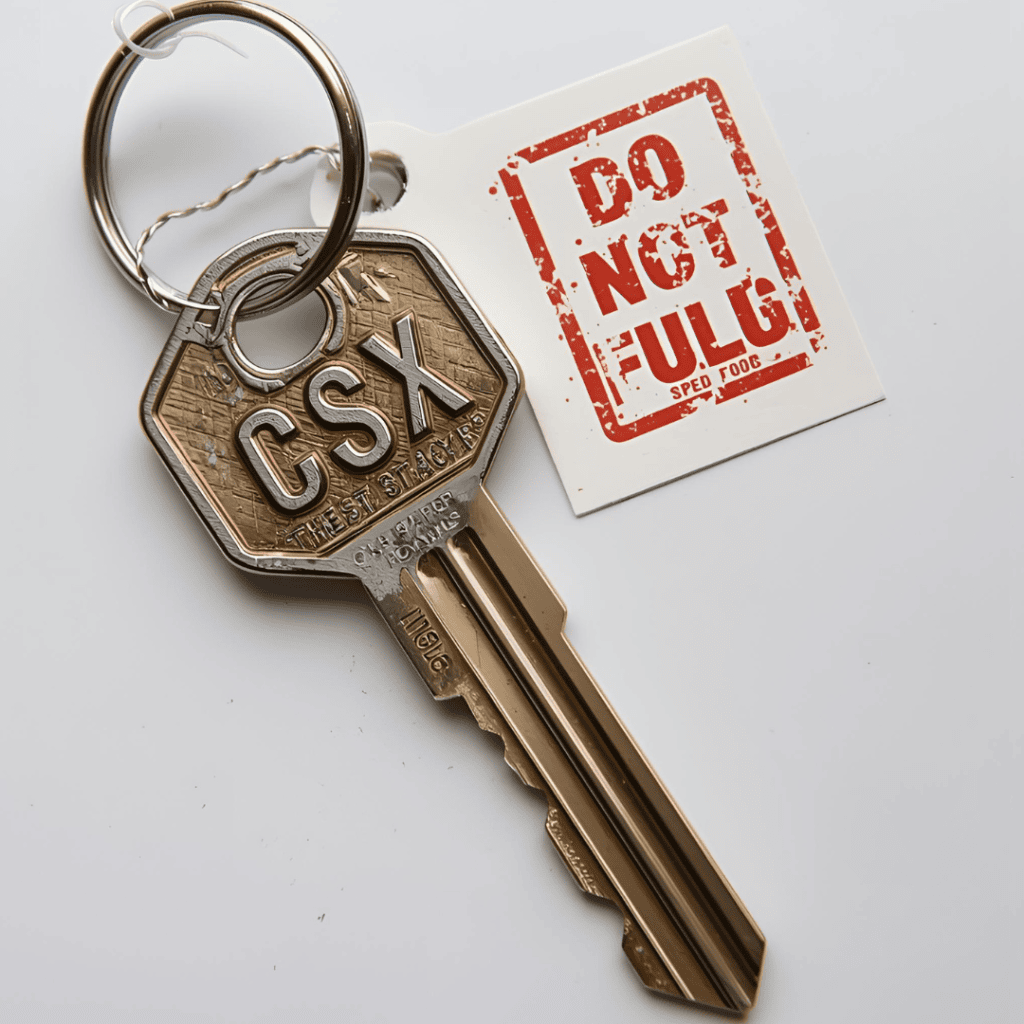
A key stamped “Do Not Duplicate” is not automatically illegal to copy in most places. That warning is a request or a policy, not a universal law. However, copying a key with that stamp may breach a lease, workplace policy, or building rules — and that can have consequences (fines, eviction, or discipline).
Keys that can be illegal to copy or restricted
- Patented / restricted-profile keys
- Some keys are covered by patents or sold only under controlled distribution. Examples include many Medeco, Mul-T-Lock, and other high-security brands.
- These keys often have unique profiles, special cuts, or require an authorization card to order blanks. A locksmith must obtain permission or be an authorized dealer to legally duplicate them.
- Copying patented keys without authorization can be illegal because it may infringe the patent or violate supplier agreements.
- Restricted/registered key systems
- Some buildings use restricted systems where blanks are only available to approved locksmiths or the property manager. Duplicating those keys without consent may violate contractual rules or property policies.
- Master-key or commercial security systems
- Keys that are part of a master-key system or commercial access control may be governed by company policy or security agreements. Unauthorized duplication risks security breaches and contractual penalties.
- Keys covered by explicit legal restrictions
- In rare cases, local laws/regulations may make duplicating certain security keys illegal. This is less common but possible in some jurisdictions or specific contexts.
(These points are consistent with guidance from industry sources about restricted and patented keys.)
What are the consequences?
- Legal: Copying patented keys or violating key-restriction laws may expose you to legal action or liability in some cases.
- Contractual: If your lease or employer forbids key duplication, you could face eviction, termination, or fines.
- Security: Unauthorized copies can lead to security incidents and responsibility for losses.
Practical steps: what to do if you need a copy
- Check the key head for branding, patents, or an authorization card. Patented keys sometimes include a note that duplication requires authorization.
- Read your lease or building rules. Many landlords forbid copying fobs or keys without permission.
- Ask the owner or property manager for permission. If it’s their building key, get written approval.
- Go to an authorized locksmith or dealer for restricted or patented keys. They’ll know the proper process and whether duplication is allowed.
- If in doubt, don’t copy. Seek clarification to avoid legal or contractual trouble.
If you run a business or manage properties
- Use restricted keys when you need control over duplication. Keep documentation of who has copies and require authorization for replacements.
- Offer tenants a clear policy about spare keys and approved duplication methods to avoid confusion.
Final thoughts: Which Keys Are Illegal to Copy?
So, which keys are illegal to copy? — Generally, ordinary residential keys are fine to duplicate, but patented, restricted, or contractually protected keys shouldn’t be copied without authorization. Always check the key type, your lease or building rules, and when necessary, consult an authorized locksmith or the key manufacturer.
If you need help identifying whether your key is restricted, or want a legal duplicate for a permitted key, our MiniFob network and FobToronto headquarters can help identify key types and advise on next steps (note: some patented keys require special authorization and can only be handled through approved channels).

Trackbacks/Pingbacks